Licensed performer
A named actor who signed a release for a defined scope and window. The standard path.
SIGNED LICENCE

Seven panels, one pipeline, every stage in-house — from screenplay breakdown to the graded master.
Each panel owns one stage and hands the next a finished artefact. Hover a card to open it.
A screenplay enters at the left. Every artefact downstream is produced by one of our own panels.
Lock a character's identity, then restyle it without the face ever drifting.
A prompt compiler, not a prose pipeline.
Pixel integrity, from node graph to master.
Screenplay in, shot list out.
Performance, captured and retargeted.
One control room for the whole pipeline.
Enforced by the tooling on itself, not promised in a policy document.
No image in without a declared basis, a named rights holder and a licence on file.
Training runs on the machine, not in a datacentre. The only outbound call is the one-time base-model download.
Every asset carries a manifest: who consented, when, and for what scope.
Every render is visibly marked and signed. Export strips neither.
Every run, render and export is logged against the licence.
Licences end, and can be revoked at any time. The identity freezes.
A licence cannot waive these. Fame is not a rights basis.
A likeness is a person's identity before it is an asset. This panel enforces that on itself.
Eight to ten reference stills of someone you are licensed to use, in. One fixed identity out — the same face across every pose, light and expression.
Real today: the rights gate, image validation, dataset scoring, seed determinism — and, since 17 August 2026, the trainer itself. Still in build: the product around it. Hence the sandbox badge, and the watermark burned in server-side.
Eight to ten stills at 720p or better, varied in angle and light.
Identity is separated from pose and background, then baked into a LoRA adapter — 1,600 steps, on the machine.
One trigger token and a locked seed. Same token in, same face out.
Every frame below comes from one identity seed. Light and pose move; the face does not.
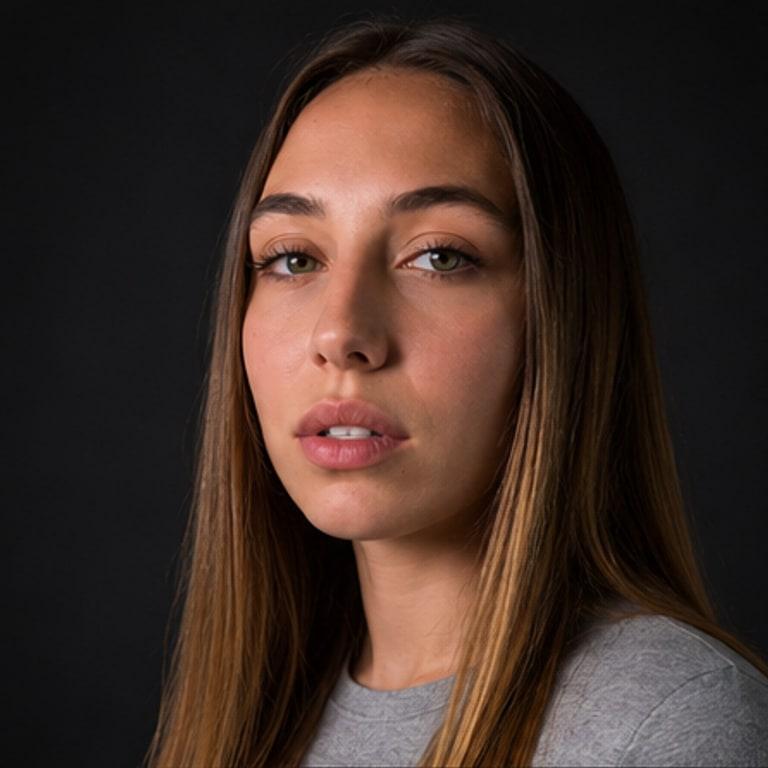
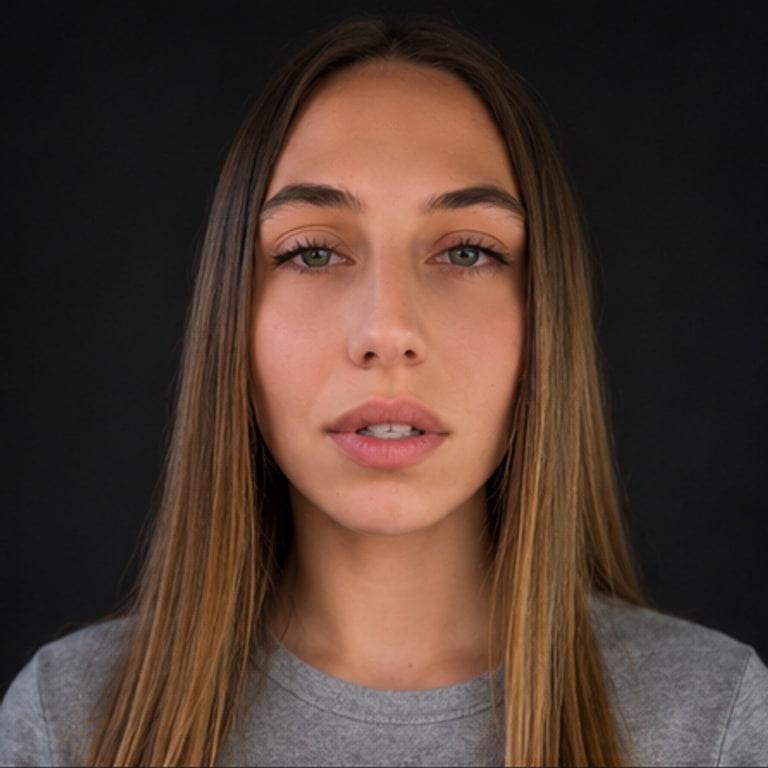
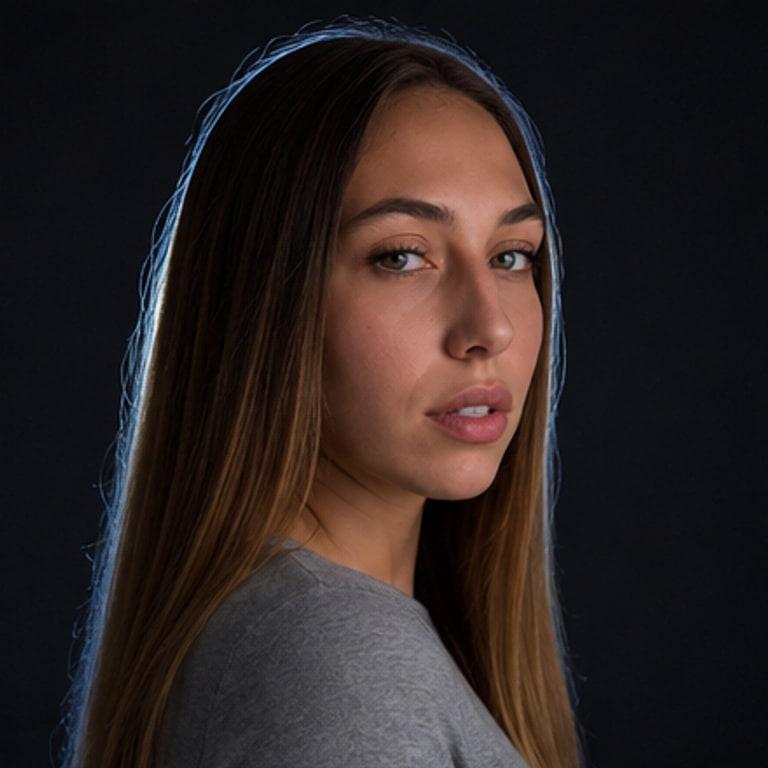
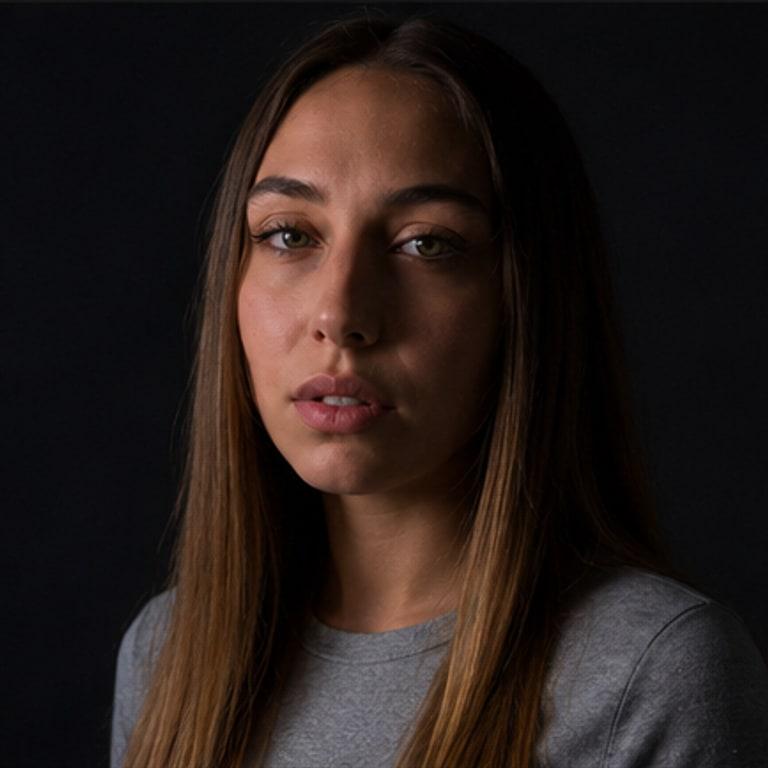
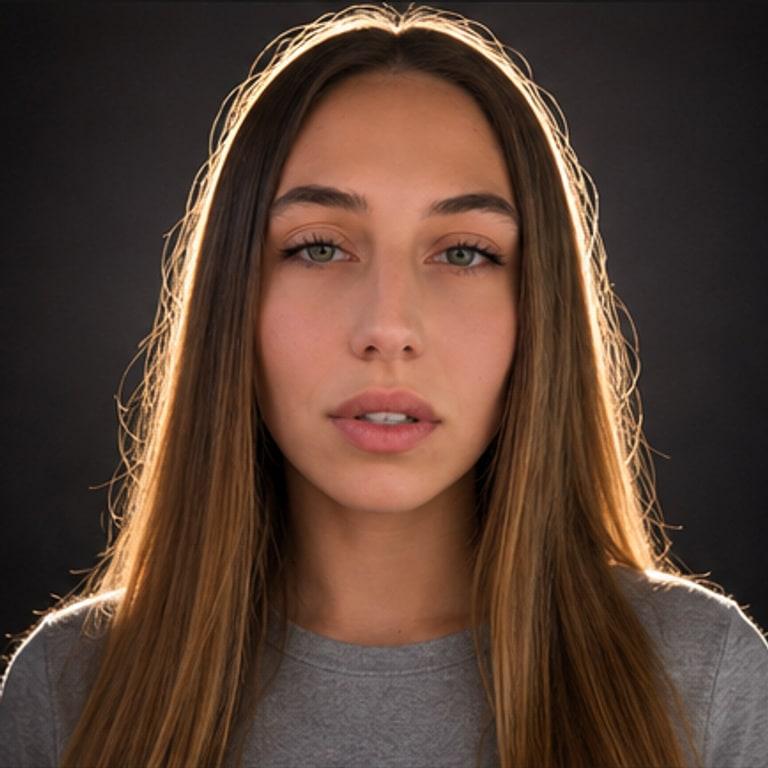
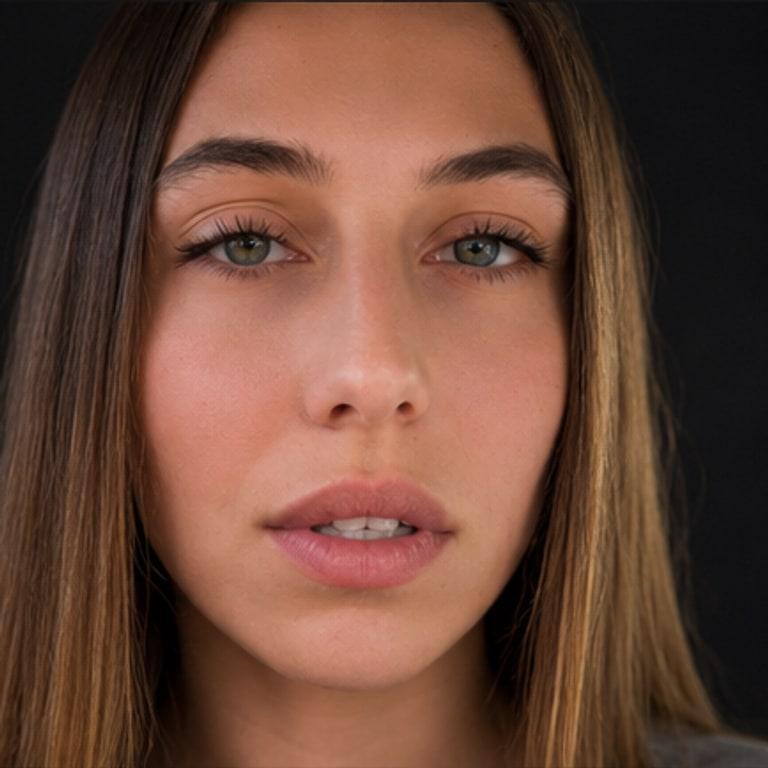
These six frames show one synthetic identity — a woman who does not exist — across six lighting and pose setups. They are illustrative: generated to show what identity-locking produces, not output of our own trainer. No real person's likeness was used, trained on, or depicted.
A named actor who signed a release for a defined scope and window. The standard path.
SIGNED LICENCEYou are both subject and rights holder. Fastest route, still signed.
SELF-ATTESTATIONA face that never existed. No living subject, so no consent burden.
NO SUBJECTA historical figure with written estate permission, plus an expiry date.
ESTATE GRANTPick a basis, name the subject and rights holder, add the licence.
HARD GATEDrop eight to ten stills. Anything under 1280×720 is rejected.
Set the model and parameters, then watch the loss curve converge.
Receive the token, seed, adapter hash and a signed manifest.
Product policy in plain language, not legal advice. Rights vary by territory.
Tell us what you are making and which stage you need. We will tell you honestly what is ready today.